Our version of lasagna
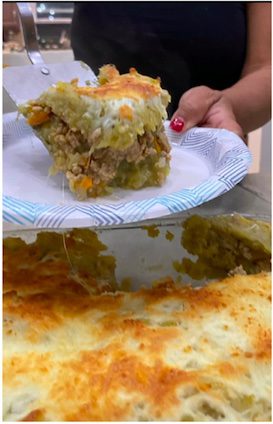
Today I’m bringing you a dish that is truly close to the heart of Dominican cuisine, Pastelón de Plátano Maduro. If you’ve heard about it or never tried it before, think of it as the Caribbean’s or more exactly the Dominican answer to lasagna. But instead of pasta sheets, we use one of the most beloved staples of the island: sweet ripe plantains. Combined with seasoned ground meat and plenty of melted cheese, it’s comfort food at its best.
A Little History Behind Pastelón
Pastelón has its roots in cultural fusion. While it resembles Italian lasagna in structure, its soul is completely Dominican. Immigrants brought the idea of layering meat, sauce, and cheese, but the local adaptation replaced pasta with ripe plantains, an ingredient that grows abundantly in the Caribbean and has been a cornerstone of Dominican diets for centuries.
Over the years, pastelón became a celebration dish, often served at family gatherings, birthdays, holidays, and Sunday lunches. Each household has its own twist: some prefer ground beef, others chicken or pork, and more modern takes include vegetarian versions with eggplant or mixed vegetables. What never changes is the sweet and savory balance that makes this dish so irresistible.
It is commonly eaten in the Dominican Republic during Christmas. We prepare many different dishes, but over the last 20 years it has become very common to see pastelón as one of the main sides on the table on December 24th, which is actually the day we gather to celebrate our Christmas party.
Although for us it is common to prepare it once in a while, we usually make it when we are expecting important guests at home, such as grown children or our mother’s family. That’s why pastelón is such a present and beloved dish in Dominican culture.
Tips for the perfect pastelón
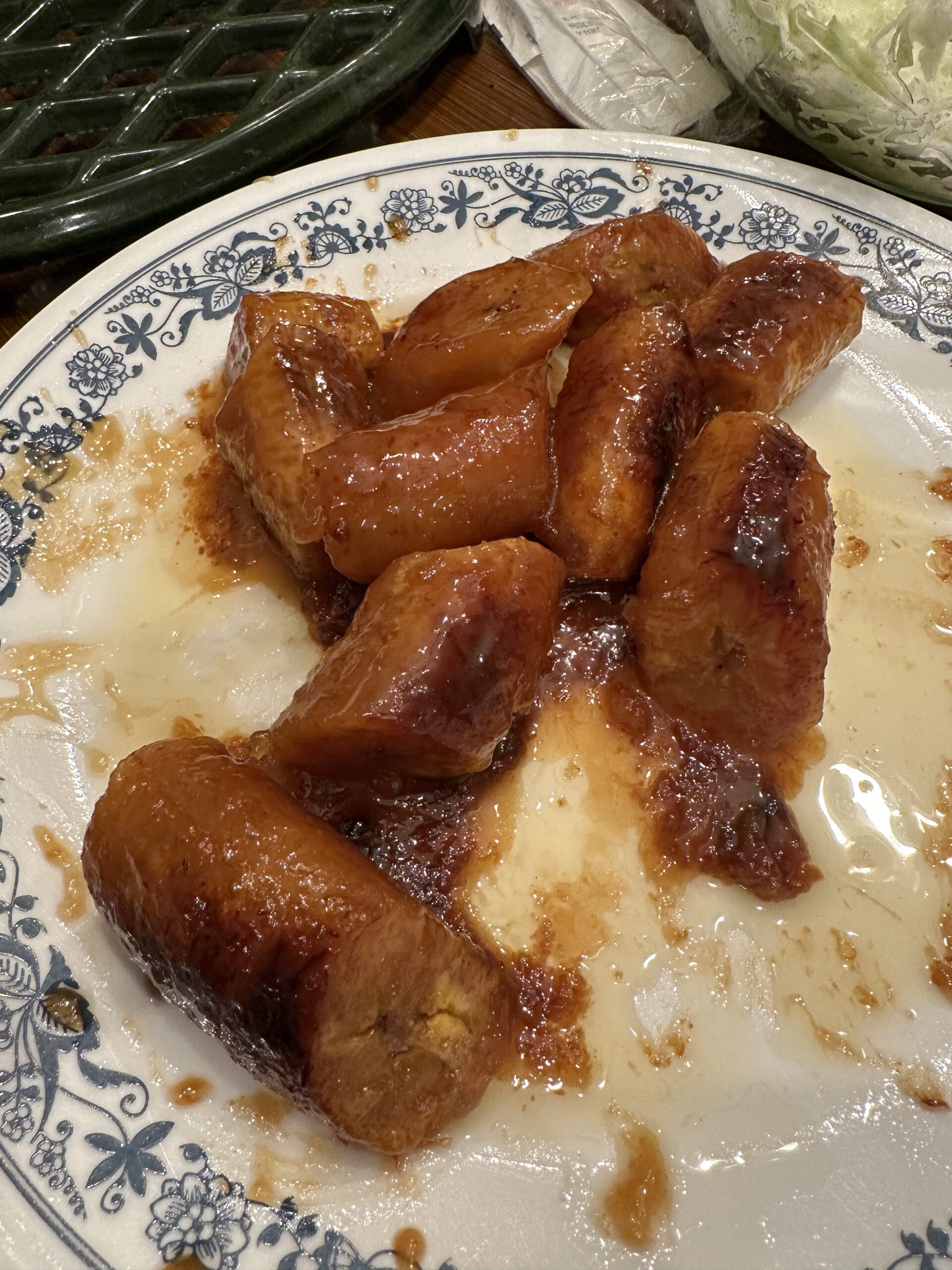
- Choose the right plantains: The riper the plantains, the better. Look for ones with lots of black spots on the peel, they’re perfect for mashing and very sweet.
- Add veggies to the meat: You can sautee bell peppers, carrots, or even green olives into the filling for extra flavor.
- Cheese matters: Mozzarella melts beautifully, but you can also try cheddar or gouda for a richer, sharper taste. Personally, I like gouda and Danish cheese better, they give the dish a nice salty flavor.
- Make it ahead: Pastelón tastes even better the next day. Prepare it, refrigerate, and reheat when ready to serve. It’s also great for meal prep.
Why You’ll Love Pastelón
The sweetness of the plantains pairs beautifully with the savory meat and the gooey cheese, creating layers of flavor that truly represent the warmth and creativity of our culture.
Pastelón isn’t just food, it’s a tradition, a comfort, and a reminder of family gatherings filled with laughter and love.
So amigas, if you’re looking for a new dish to impress your friends and family, give this Dominican classic a try. Trust me, once you’ve had a slice, you’ll be hooked!
If you still need a reason to try making pastelón at home, let me explain why it’s actually a great option why it’s perfect if you’re looking to eat healthier
Why Pastelón Can Be a Healthy Choice
- Energy from plantains: Ripe plantains are a natural source of complex carbs, providing steady energy instead of refined sugars. They’re also rich in potassium, which supports heart health.
- Protein from meat: Ground beef, chicken, or pork makes this dish filling and helps with muscle repair and satiety. If you want a leaner version, use ground turkey or chicken breast.
- Good fats from cheese: While cheese adds calories, it also provides calcium for strong bones and a good source of protein. Choosing gouda, Danish, or mozzarella keeps it flavorful.
- Balanced meal: When paired with a simple side salad or vegetables, pastelón becomes a wholesome dish that has carbs, protein, and fats all in one.
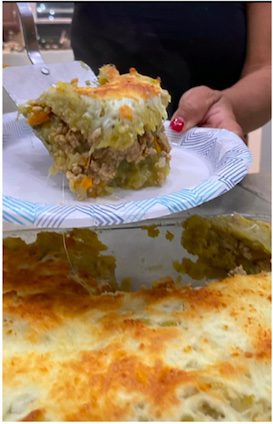
Dominican Pastelón
Ingredients
Method
- Brown your choice of meat in a skillet.
- Add sazón, onion, lime juice, and tomato paste.
- Let it simmer until the flavors come together.
- Peel the ripe plantains and boil them in salted water until tender.
- Once cooked, mash them with butter and a little of the boiling water until smooth and creamy.
- For more depth, mix in a bit of the meat gravy into the mashed plantains. This is a little secret that makes the pastelón extra delicious.
- In a greased baking dish, spread a layer of mashed plantain, then a layer of meat, followed by another layer of plantain.
- Generously sprinkle shredded mozzarella on top.
- Cover with foil and bake at 350°F (175°C) for 45 minutes. Uncover and bake for another 15 minutes, or until golden and bubbly.
Every slice of Dominican Pastelón carries more than just flavor. It carries family, celebration, and tradition. It’s a dish that reminds us of the laughter around the table, the smell of ripe plantains in the kitchen, and the love that goes into every meal we share. Whether you’re making it for a holiday or just a Sunday lunch, each bite brings you closer to the heart of Dominican culture. Un pedacito de hogar, made with sazón and corazón.